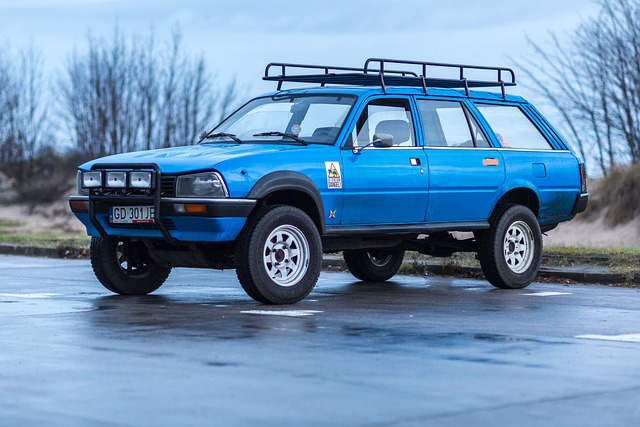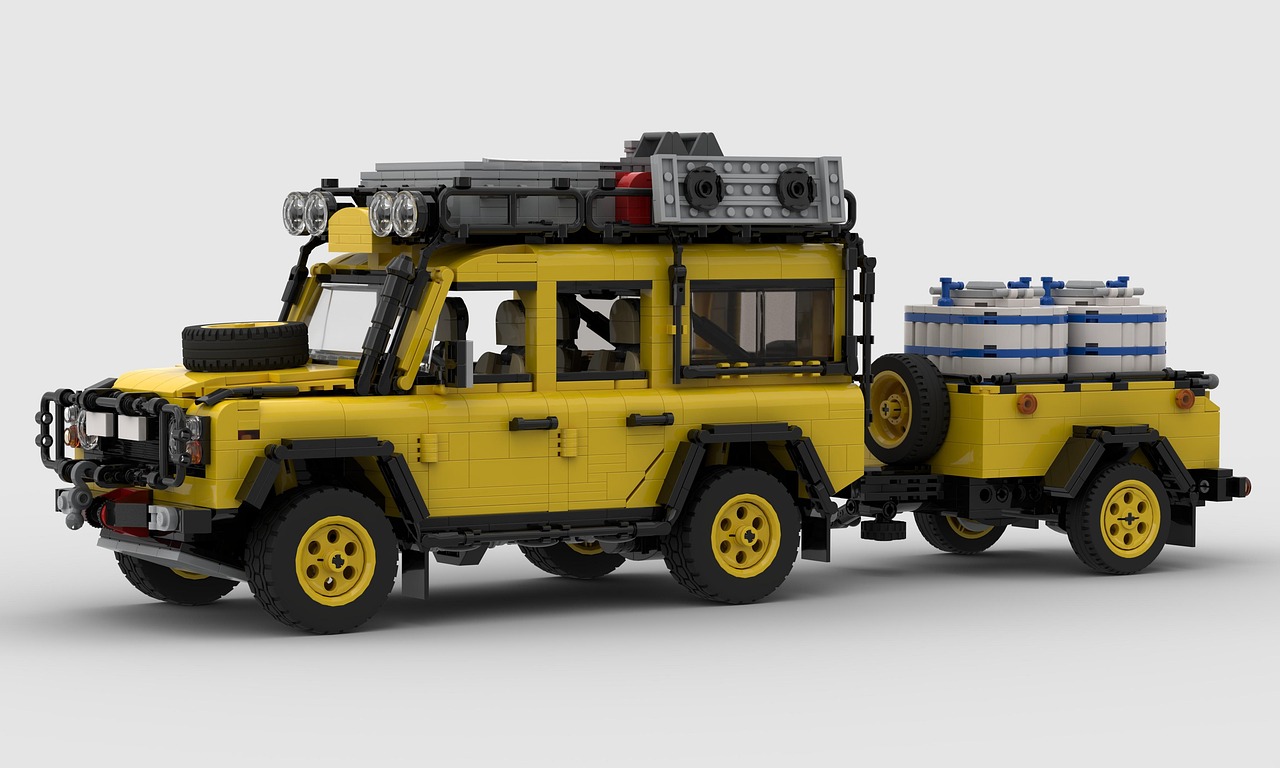
Brownsville-4-wheel-drive-parts, a leading supplier of off-road and 4WD accessories, offers a comprehensive range of products designed to enhance your vehicle’s capabilities. Among the diverse array of parts, hitch balls stand out as essential components for those looking to expand their towing and hauling capabilities. This article delves into the world of hitch balls, exploring their importance, types, installation, and the benefits they bring to 4WD owners.
Understanding Hitch Balls: An Overview
What Are Hitch Balls?
Hitch balls, also known as tow ball assemblies, are crucial attachments that facilitate the towing of trailers, caravans, or other loads behind a 4WD vehicle. They are securely fastened to the vehicle’s chassis or frame, providing a stable and robust connection for the hitch of a trailer.
Why Are Hitch Balls Important?
-
Enhanced Towing Capacity: Hitch balls allow 4WD owners to tow heavier loads, making them ideal for those who need to transport vehicles, boats, or large equipment.
-
Safety and Stability: Properly installed hitch balls ensure a secure and stable connection, preventing load shift during towing and enhancing overall vehicle safety.
-
Versatility: Different hitch ball sizes and types cater to various towing needs, allowing 4WD owners to adapt to different trailer requirements.
Types of Hitch Balls
Brownsville-4-wheel-drive-parts offers a wide range of hitch balls to suit diverse towing needs:
1. Class I Hitch Balls
- Capacity: Typically rated for lighter trailers, up to 3500 lbs (1587 kg).
- Design: Featuring a simple, direct attachment to the vehicle’s chassis, they are easy to install and remove.
- Ideal For: Light-duty towing, such as small trailers or camper vans.
2. Class II Hitch Balls
- Capacity: Capable of handling medium-duty towing, up to 8000 lbs (3633 kg).
- Design: Incorporating a spring-loaded mechanism for added stability, they provide a secure connection.
- Ideal For: Medium-sized trailers, travel trailers, and small motorhomes.
3. Class III Hitch Balls
- Capacity: Designed for heavy-duty towing, exceeding 10,000 lbs (4536 kg).
- Design: Often using a gooseneck-style connection for improved stability and load distribution.
- Ideal For: Large, heavy trailers, including horse trailers and oversized equipment haulers.
4. Customized Hitch Balls
Brownsville-4-wheel-drive-parts also offers customized hitch ball solutions tailored to specific vehicle models and towing requirements. These options ensure optimal fitment and performance.
Installation of Hitch Balls
Proper installation is crucial for safe and effective towing. Here’s a step-by-step guide:
Step 1: Prepare the Vehicle
- Ensure the vehicle’s chassis or frame is clean and free of debris.
- Check for any damage or weaknesses in the area where the hitch ball will be mounted.
Step 2: Choose the Correct Hitch Ball
- Select a hitch ball that matches your towing needs and vehicle specifications.
- Consider factors like ball size, capacity, and mounting style.
Step 3: Mount the Hitch Ball
- Follow the manufacturer’s instructions for mounting the hitch ball to the vehicle.
- Use the provided hardware and ensure all bolts are securely tightened.
Step 4: Connect the Trailer Hitch
- Attach the trailer hitch to the hitch ball, ensuring a secure fit.
- Check the user manual for specific guidelines on hitch connection and safety.
Step 5: Test and Adjust
- Test the towing setup by connecting a test load and verifying the connection’s stability.
- Make any necessary adjustments to ensure optimal performance and safety.
Benefits of Using Brownsville-4-Wheel-Drive-Parts Hitch Balls
1. Enhanced Towing Versatility
With a wide range of hitch ball types, 4WD owners can adapt their towing capabilities to suit various needs, from light camp trailers to heavy equipment hauls.
2. Increased Safety
Properly installed hitch balls provide a secure connection, reducing the risk of trailer disconnects during towing, and ensuring a safer driving experience.
3. Improved Vehicle Performance
By allowing for the safe towing of heavier loads, hitch balls can enhance your 4WD’s overall performance and handling, especially on long-distance trips.
4. Customized Solutions
Brownsville-4-wheel-drive-parts offers customized hitch ball options, ensuring a perfect fit for your specific 4WD model and towing requirements.
FAQ
Q: What is the difference between Class I, II, and III hitch balls?
A: Hitch balls are classified based on their towing capacity and design. Class I is for light-duty, Class II handles medium-duty, and Class III is for heavy-duty towing, featuring a robust gooseneck design.
Q: How do I know which hitch ball size I need?
A: The required hitch ball size depends on the weight of the trailer you intend to tow. Always choose a hitch ball with a capacity exceeding the trailer’s weight to ensure safety.
Q: Can I install a hitch ball myself?
A: While some hitch balls can be installed by owners, it’s recommended to seek professional assistance, especially for heavy-duty setups, to ensure proper mounting and safety.
Q: Are there any maintenance tips for hitch balls?
A: Regularly inspect hitch balls and their connections for signs of wear or damage. Keep the area clean and consider using protective covers when not in use to prolong their lifespan.
Conclusion
Brownsville-4-wheel-drive-parts offers a comprehensive selection of hitch balls tailored to the diverse needs of 4WD enthusiasts. Whether you’re a casual camper or a professional hauler, the right hitch ball can significantly enhance your towing capabilities and overall 4WD experience. With a range of types, capacities, and customizable options, you can find the perfect hitch ball solution to unlock the full potential of your vehicle.